
Surface treatment & handling
The quality of an adhesive bond is determined not only by the adhesive, but also by the material being bonded. That is why we analyse the properties in advance. These include surface tension, moisture content and material structure. Based on this analysis, we determine whether additional surface treatment is required and configure your production line. By integrating the correct process steps, we create the optimal process for a durable and reliable hotmelt bond.

Why some materials need extra attention
Materials such as MDF, plywood and many types of foam are often relatively easy to work with. But are you working with plastics, metals, coated surfaces, glass or composites? In that case, the surface may need to be prepared first before optimal adhesion can be achieved.
This is entirely down to the properties of the material’s surface. Is the surface tension too low, or is there contamination on the surface? If so, the adhesive will not spread as effectively, resulting in a weaker bond. Fortunately, there are various ways to prevent this.
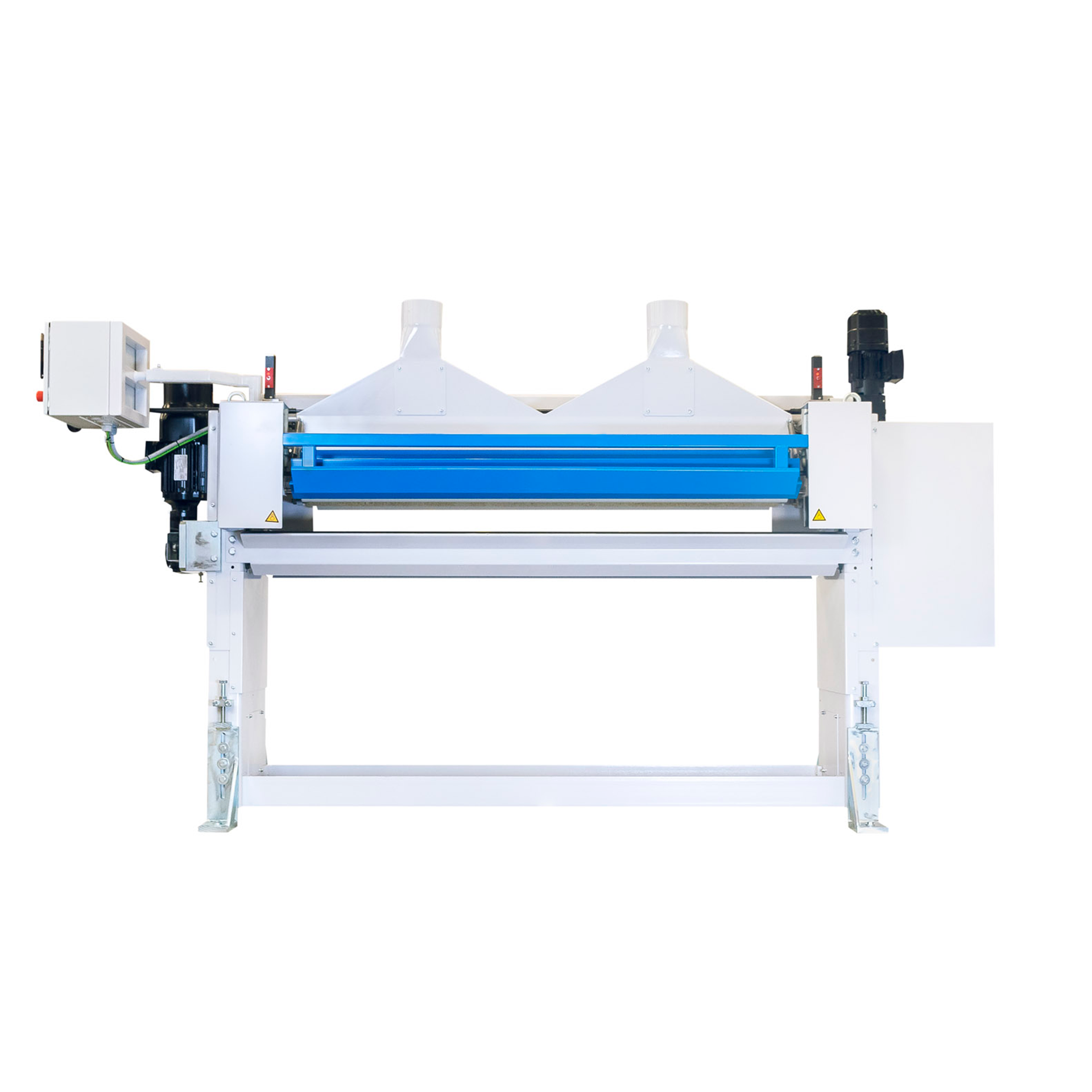
Round Brush and Cross Brush: a clean surface
A strong bond starts with a clean surface. Particularly with wood-based materials such as MDF, HDF, plywood, chipboard and OSB, dust particles can remain after sawing, milling or transport. That layer of dust may seem harmless, but it acts as a barrier between the adhesive and the material. And that is, of course, not what you want when you’re trying to create a strong bond. That is why we offer a range of brushing solutions that clean the material’s surface before the coating or lamination process begins.
Round Brush
The Round Brush removes loose particles and small bits of dirt from the surface. This leaves a clean workpiece to which the hotmelt adhesive can bond effectively.
Cross Brush
For applications where more intensive cleaning is required, a Cross Brush is the ideal solution. It removes dust and loose fibres even more thoroughly and ensures an even more stable bonding process.
Which solution is best suited depends on your material and the application. But one thing is certain: a clean surface always forms the basis for reliable bonding.

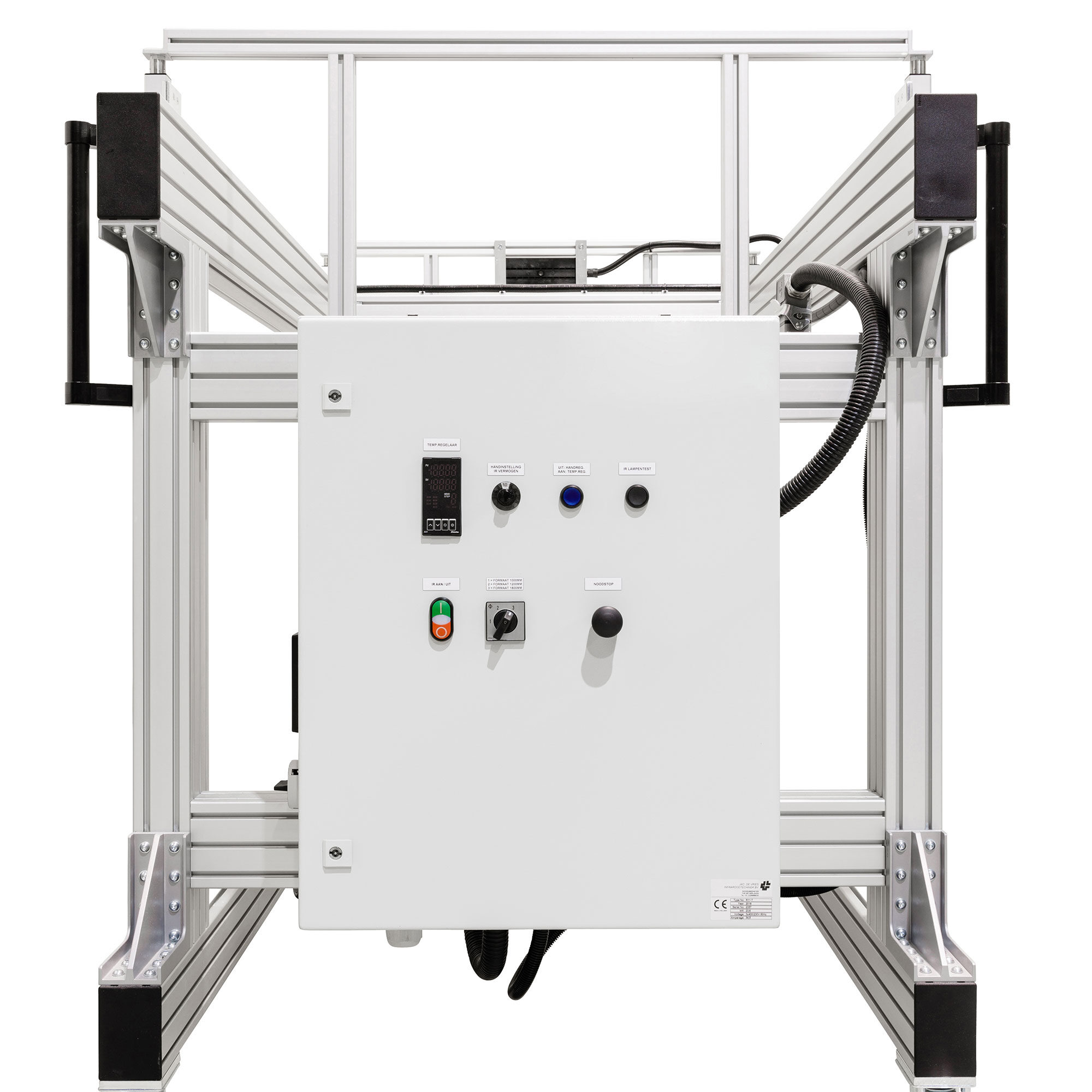
IR Station: heating for better adhesion
Some materials need a little extra help before they are ready for bonding.
Materials such as glass, plexiglass and certain plastics are therefore often preheated before they reach the Roller Coater. This is done using an IR station. By heating the material in a controlled manner, the surface is better prepared for the adhesive application and the PUR hotmelt can bond more effectively to the material.
Preheating helps, amongst other things, to:
- Better initial adhesion
- A more stable production process
- Consistent product quality
- Reduced risk of adhesion problems
The result? A more reliable bonding process and a stronger end product.
Corona Treatment: when the surface isn’t cooperating
Some materials naturally have low surface tension. As a result, the adhesive struggles to spread evenly across the surface. In such cases, a corona treatment can provide a solution.
During this process, the material’s surface is activated using ions. This alters the surface, giving the adhesive a better grip on the material. Materials that were previously difficult to bond can therefore often be processed without any problems.
Corona treatment is widely used for:
- Plastics
- Films
- Foams
- Coated materials
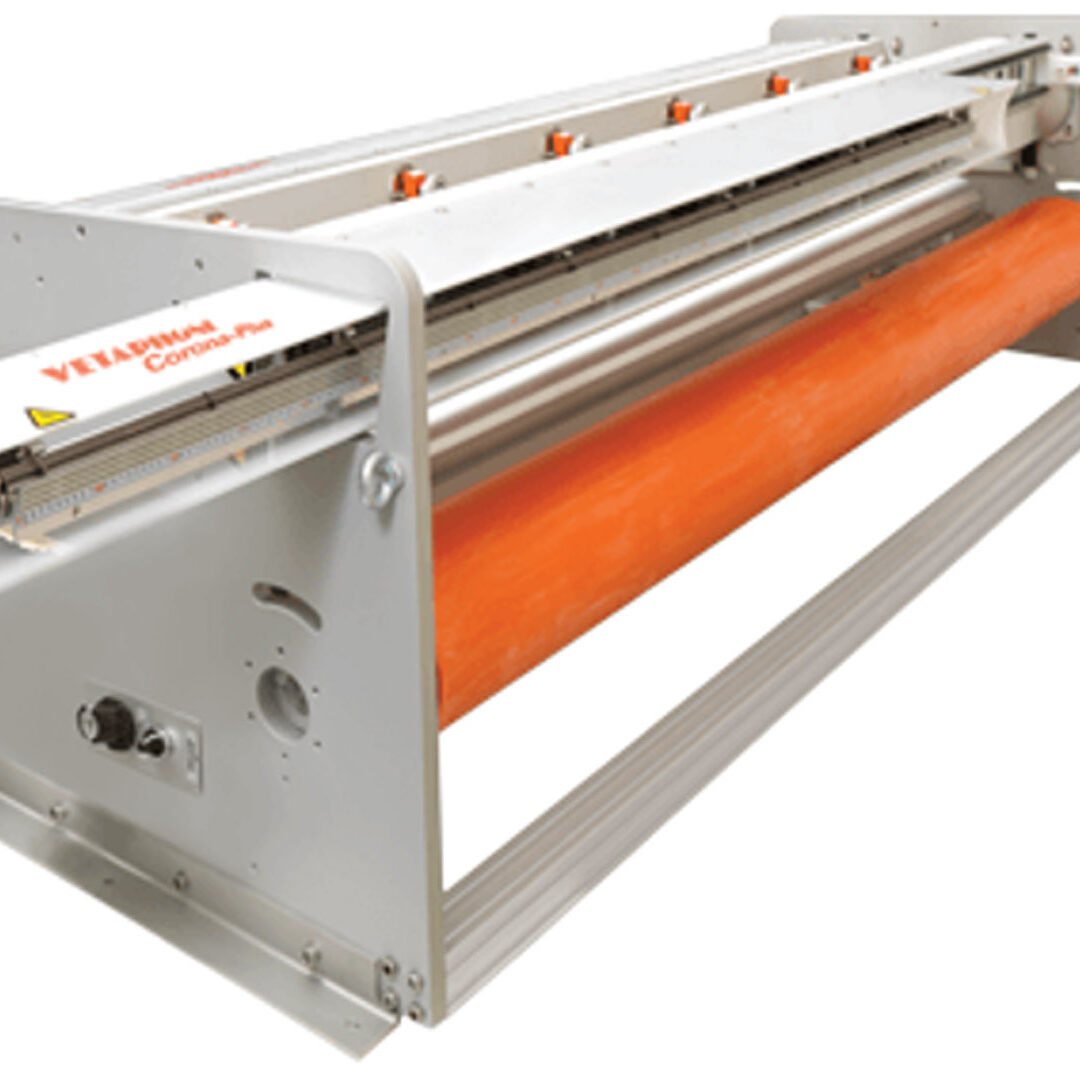

Plasma Treatment: for the most challenging materials
For some applications, standard surface treatment is not sufficient. For high-quality technical products or materials with complex shapes, plasma treatment may be the solution. As with corona treatment, the surface tension is increased, but plasma offers additional possibilities for critical applications where maximum adhesion is required. Examples include applications in:
- Automotive
- Transport
- Composites
- High-quality industrial products
Not every application requires plasma, but when adhesion is truly critical, this technology can play a decisive role.
From manual to fully automatic with hotmelt coating
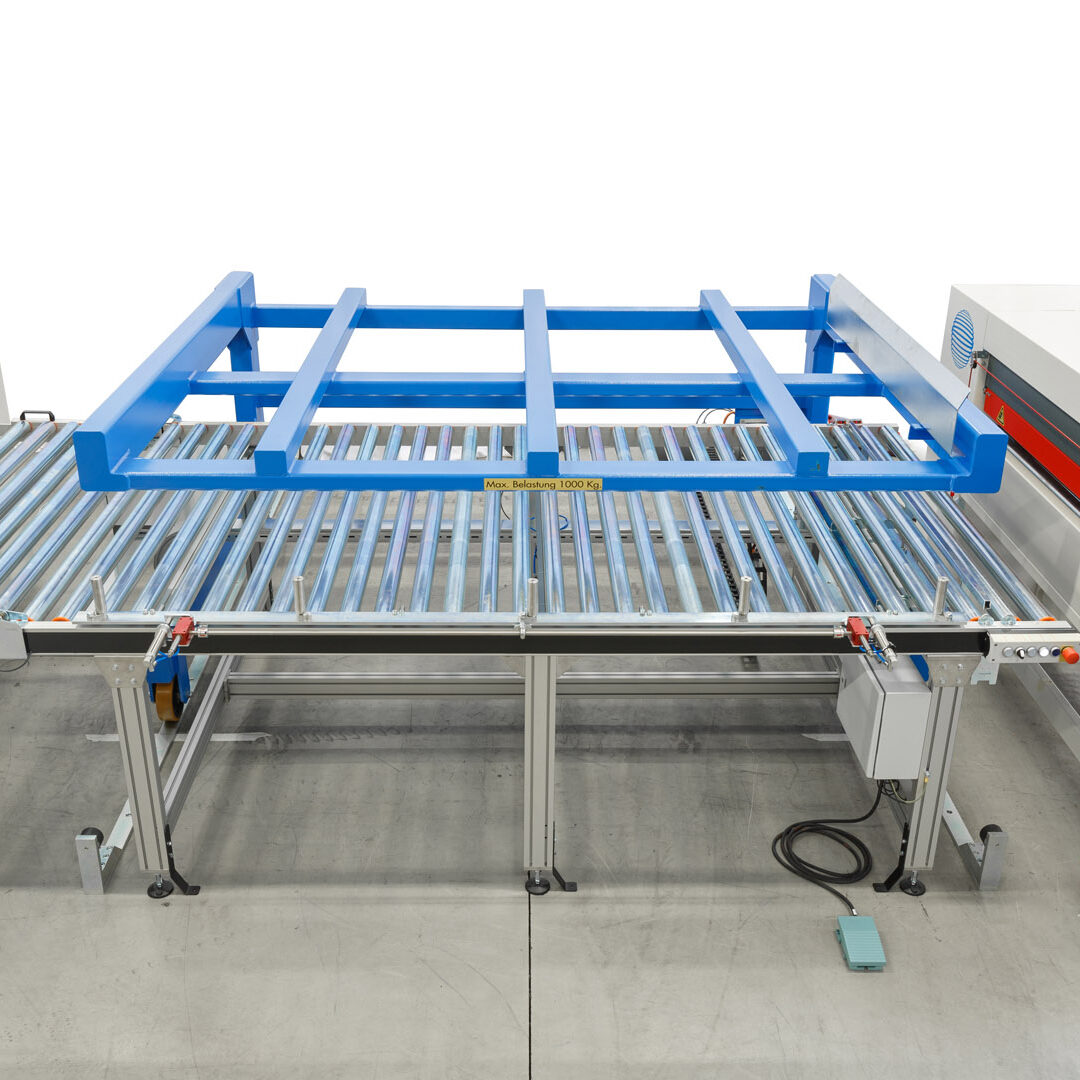
Water-based bonding processes often require (semi-)manual handling, drying time and interim storage. Hotmelt changes all that. Thanks to its immediate initial adhesion, products can be laminated, tilted, transported, stacked or further processed straight away. This lays the foundation for a fully automated production line.
Maan Engineering supplies not only coating and laminating technology for this purpose, but also the associated handling solutions. Examples include our Laminating Index Station, as well as conveyor systems, buffers and automatic stackers. By designing coating, lamination and handling as a single integrated process, we help manufacturers make the transition from a labour-intensive production environment to a more efficient, scalable and fully automated production line.
How we support you
Would you like to further automate your process? Are you unsure whether your materials can be bonded directly? Or are you encountering adhesion problems that are difficult to explain?
Our engineers investigate these kinds of issues on a daily basis. We analyse your materials, test various treatments and work with you to determine which combination of surface treatment and PUR hotmelt lamination delivers the best results.
Not just standard advice, but a solution tailored to your material, your product and your production process.

Tell us about your coating aspirations
We'll make it happen!