UV-curable PSA coating for high-performance narrow-web applications
Acrylic adhesives come in various forms: water-based, solvent-based or as a hotmelt. One such hotmelt is the UV hotmelt. The name says it all; this is cured using UV radiation. This creates an extremely strong adhesive bond. However, a UV hotmelt is not a standard solution. It is used where higher performance requirements apply and where conventional hotmelts or water-based and solvent-based acrylics reach their limits. This makes them ideally suited for special label and tape applications.
Curing by means of UV radiation, then. Cross-linking creates a strong, chemically stable and heat-resistant adhesive layer, which comes into its own in: temperature- and chemical-resistant label solutions, transparent film applications (clear-to-clear), QSR labels, medical and automotive tapes, and technical and specialty tapes.
UV hotmelt is therefore not a direct replacement for more conventional technologies, but an extension of the adhesive spectrum. However, UV-curable PSAs and their application do indeed offer various advantages that also make a difference to the bottom line. For example, compared to water-based adhesives:
- It does have a lower carbon footprint;
- Large dryers/ovens are no longer required;
- The process does require less energy;
- A lower initial investment;
- You can expect a simpler process compared to drying;
- The durability and stability of the adhesive layer ensure a long shelf life and robust transport and storage options;
- And can UV hotmelt coating be set up with far less infrastructure than alternative systems.
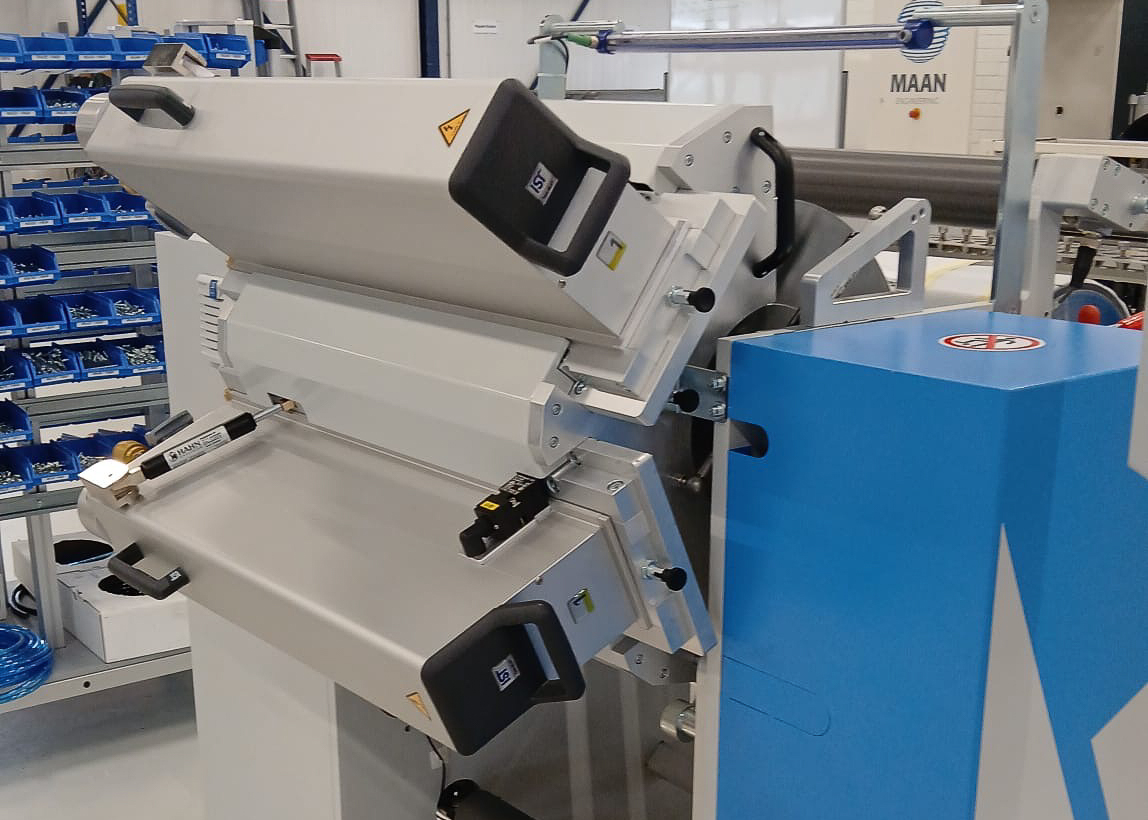
Enabling UV hotmelt solutions
In practice, adhesive innovations often face processing limitations.
UV hotmelt combines high mechanical strength and transparency with rapid curing and improved temperature and chemical resistance. However, these properties can only be utilised if the coating and curing process is fully controllable.
And that is precisely where the challenge lies, and also the opportunity.
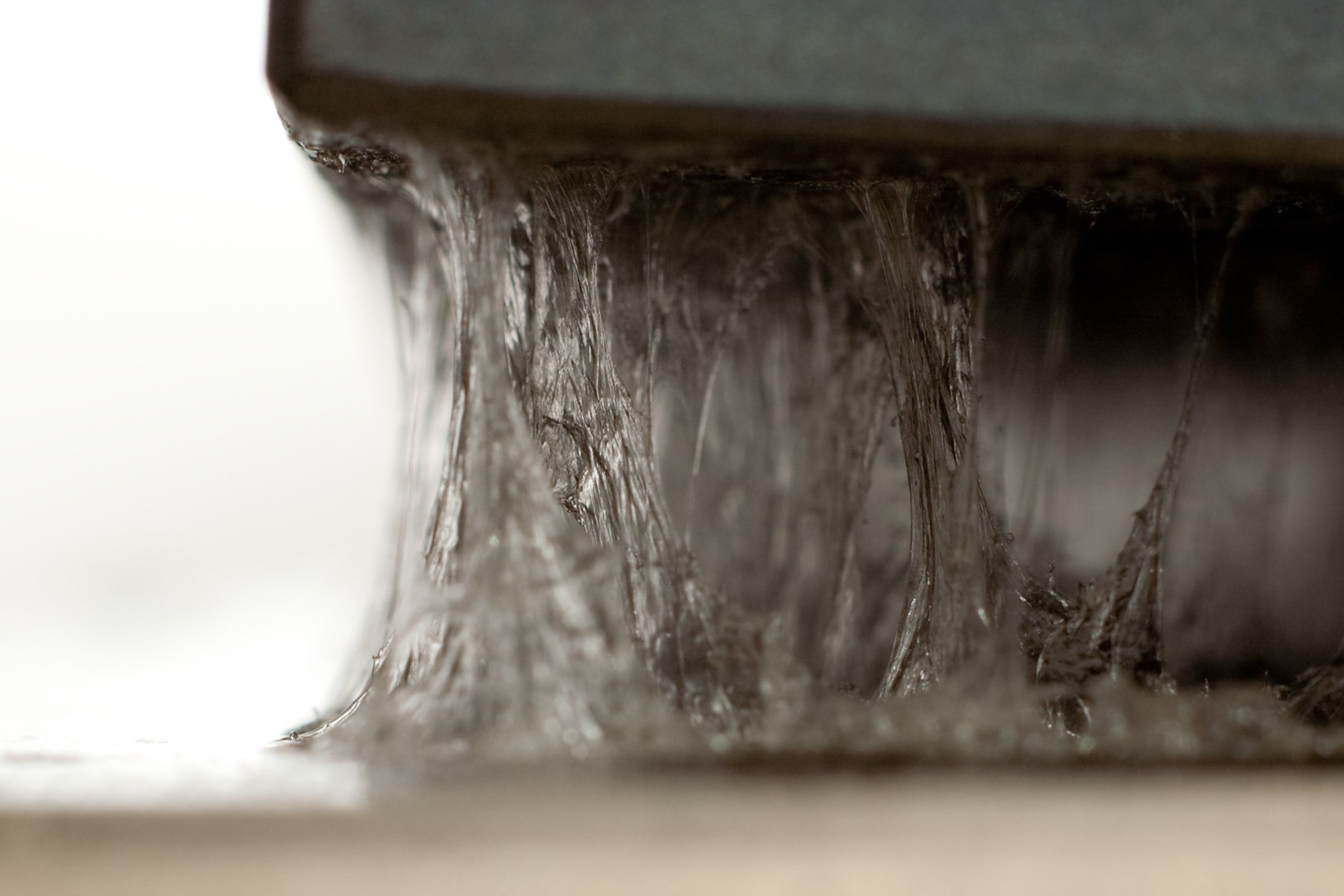
UV hotmelt curing
Acrylic adhesives come in various forms: water-based, solvent-based or as a hotmelt. One of these hotmelts is the UV hotmelt. The name says it all; this is cured using UV radiation. This creates an extremely strong adhesive bond.
However, a UV hotmelt is not a standard solution. It is used where higher performance requirements apply and where conventional hotmelts or water-based and solvent-based acrylics reach their limits. This makes them ideally suited for special label and tape applications.
So, curing by means of UV radiation, then. The cross-linking creates a strong, chemically stable and heat-resistant adhesive layer.
This layer comes with its own temperature- and chemical-resistant label solutions, transparent film applications (clear-to-clear), QSR labels, medical and automotive tapes, and technical and specialty tapes.
UV hotmelt is therefore not a direct replacement for more conventional technologies, but rather an extension of the adhesive spectrum. However, UV-curable PSAs and their application do indeed offer various advantages that also make a difference to the bottom line. For example, compared to water-based adhesives:
- It has a lower carbon footprint;
- Large dryers or ovens are no longer required;
- The process requires less energy;
- And a lower initial investment;
- You can count on a simpler process, compared to drying;
- The durability and stability of the adhesive layer ensure a long shelf life and robust transport and storage options;
- And UV hotmelt coating can be set up with far less infrastructure than alternative systems.

The technical realities of UV-curable PSA processing
UV hotmelt requires more precise process control than standard hot melt. In what ways? We’d be happy to explain.
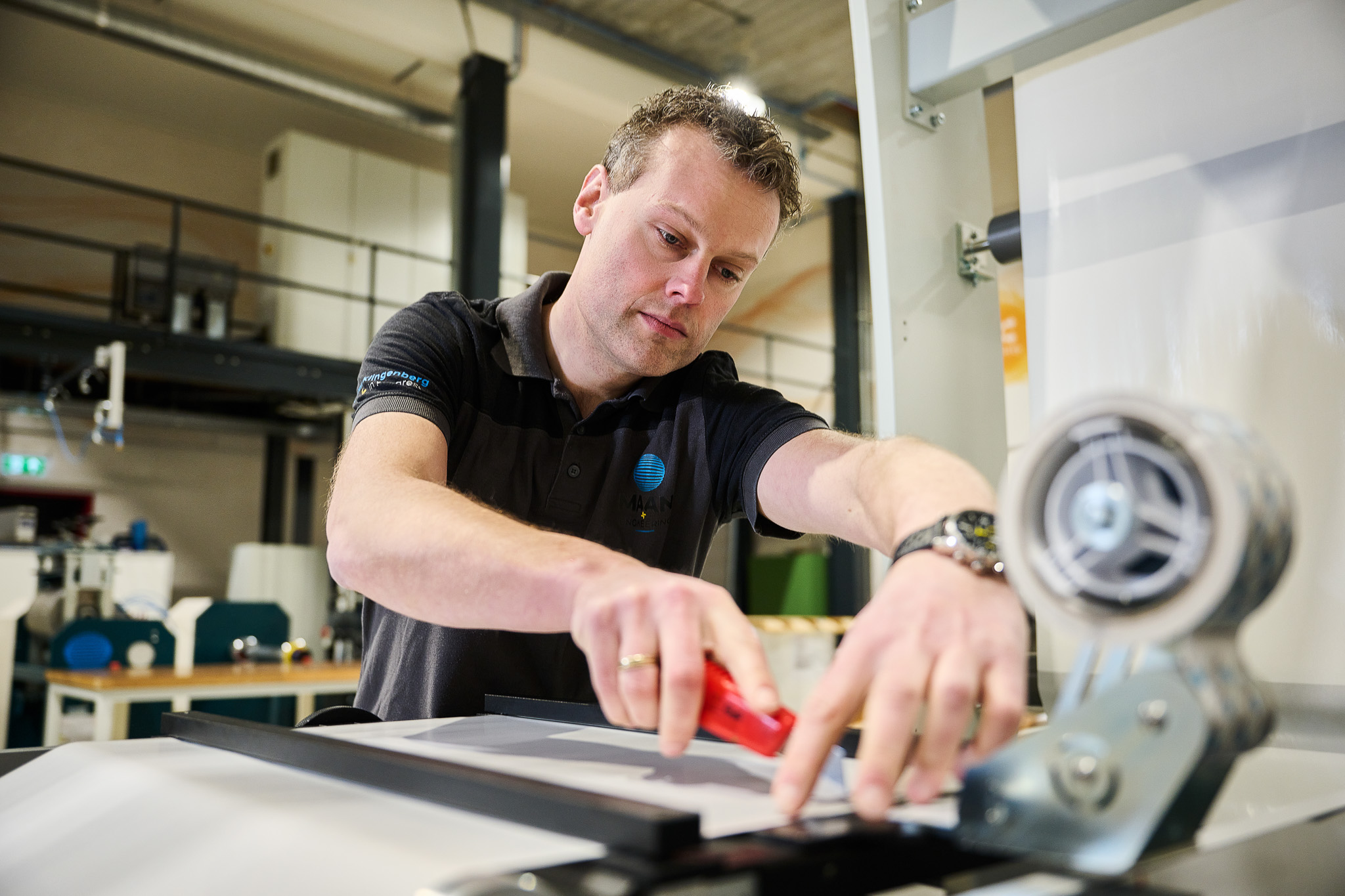
Viscosity and temperature
A UV-curable pressure-sensitive adhesive is more viscous than a conventional hotmelt. This makes the process inherently more challenging.
The lower the coating weight, the more critical it becomes. Naturally, this coating weight depends on the application: 8–10 grams for lightweight label constructions; 15–20 grams in the mid-range; and 60–100 grams for specialist tape applications.
This requires different application techniques, tailored to the coating weight and the use of a UV hotmelt, such as:
- Slot die coating;
- Die-rect roller nozzle;
- Curtain coating for lower grammages.
Precision is crucial here. Because the fact is with UV hotmelt, tolerances are tighter and variations greater. This also requires more stringent control over:
- Temperature: control throughout the entire process;
- Pressure and pump stability;
- Homogeneous supply of the adhesive to the coating head.
Curing en monitoring
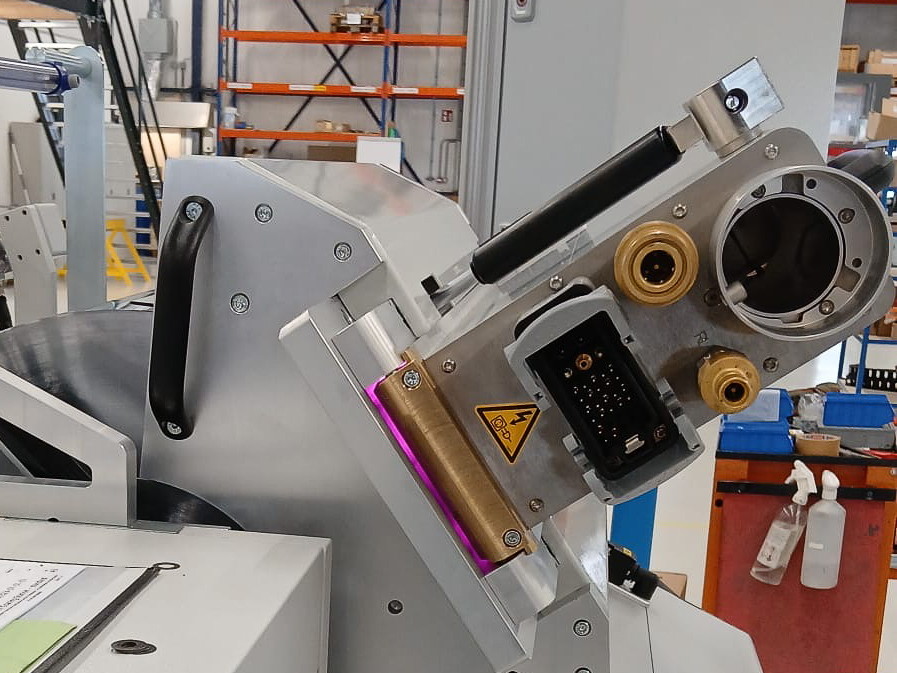
UV curing is a critical and sometimes invisible process. The key question is not just: How do we apply the adhesive? But above all: How do we ensure that it cures completely and consistently?
This requires:
- Precise control of the UV dose;
- Integration of (sometimes multiple) UV lamps;
- Precise monitoring and closed-loop process integration.
Without controlled curing, performance cannot be guaranteed.
Making UV-curable PSA coatings manageable
That is our goal

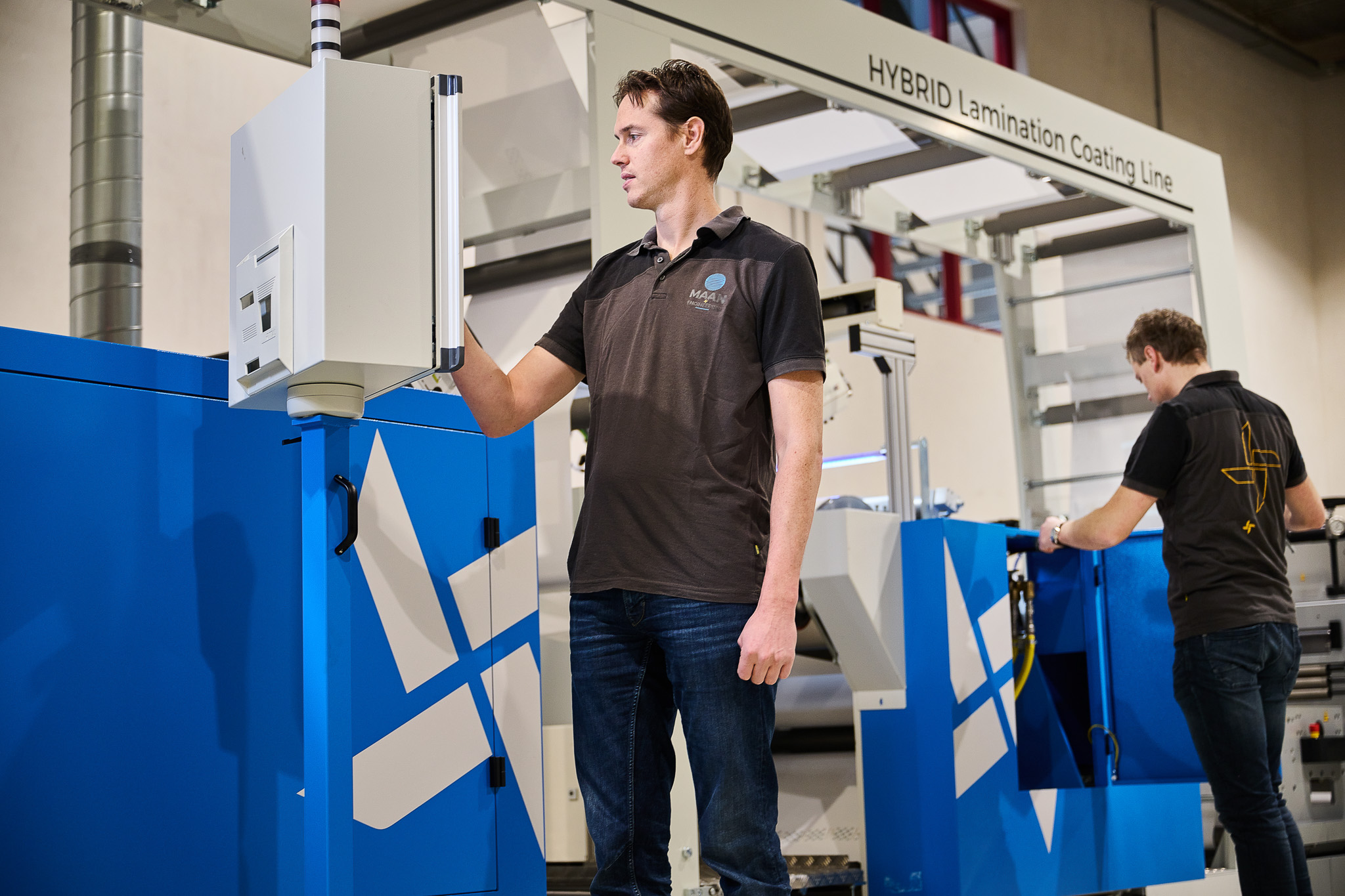
At Maan Engineering, the focus is naturally not on adhesive development, but on process control and application engineering. We make UV hotmelt technically viable and scalable within narrow-web production environments.
To ensure you achieve the best possible results, we develop solutions with the following processes in mind:
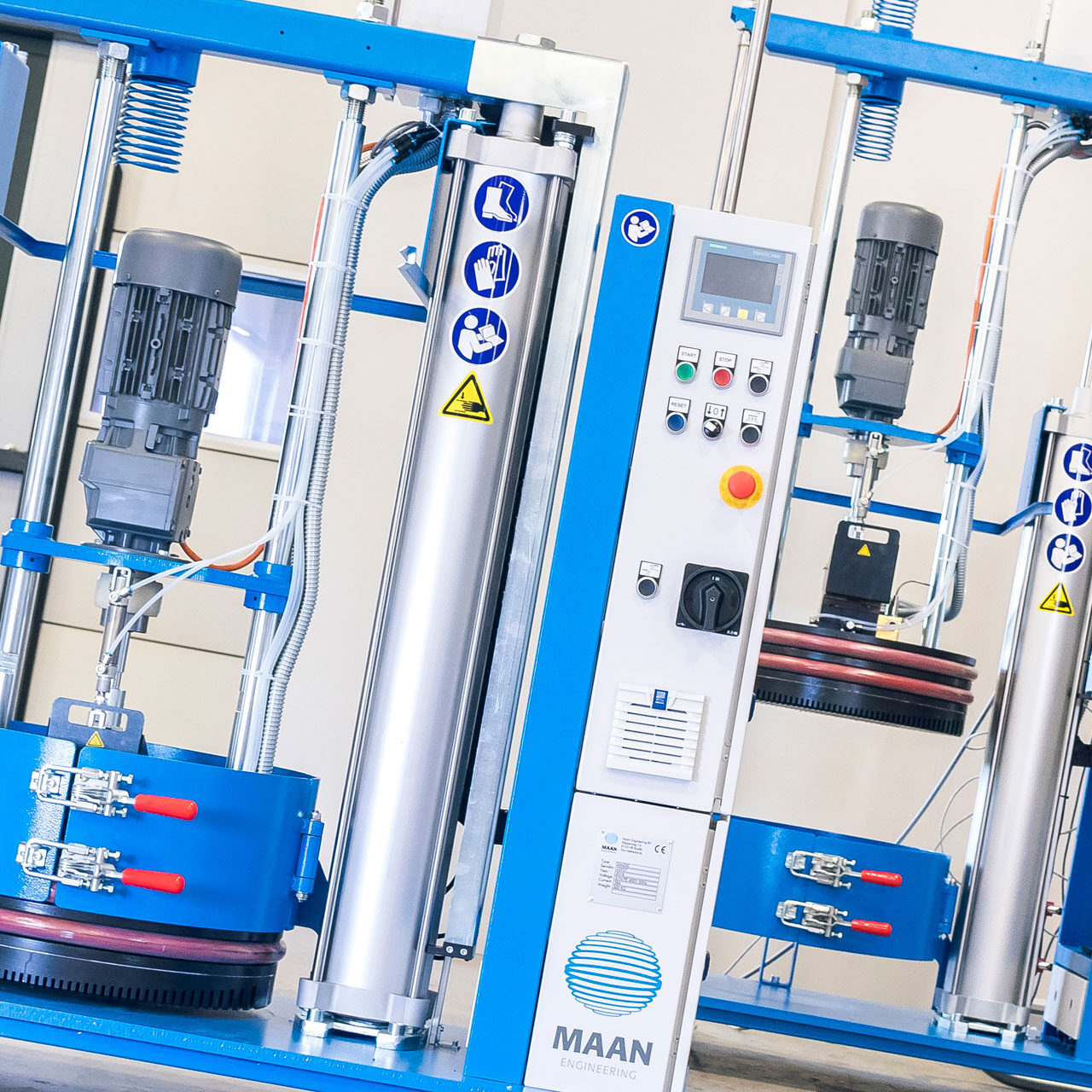
Controlled supply
- A stable and controlled supply of UV-curable adhesives via our state-of-the-art melting equipment;
- Precision pump control;
- And we are developing a flexible supply system that allows for switching between standard and UV hotmelt coating.
Precision application
- Mechanical stability at high line speeds;
- Real-time control of UV dosing via an inline measurement system;
- The Slot Nozzle for higher grammages;
- Die-rect roller nozzle for the mid-range;
- And finally, integration of curtain coating for lower coating weights.
Who would benefit from UV hotmelt?
UV hotmelt coating is particularly suitable when:
- Temperature, water or chemical resistance are critical factors in your label or tape application;
- Transparent applications are required;
- You are developing specialist or technical tapes, or you, as a hotmelt applicator, wish to enter this market.
From concept to stable production
Every UV hotmelt application is unique.
The performance of UV-curable hotmelt adhesives is improving, whilst energy prices are rising. This makes UV hotmelt an attractive option in high-performance market segments. However, UV hotmelt is not a plug-and-play technology.
It requires engineering. We ensure that it becomes manageable.
Do you need help with your:
- Technical feasibility analysis;
- Integration of UV into existing narrow-web lines;
- Design of new coating configurations;
- Ensuring process stability?
Discover the possibilities
Are you considering UV hotmelt for a specific label or tape application?
Or would you like to explore what this means technically for your coating line?
Our engineers would be happy to work with you on this.